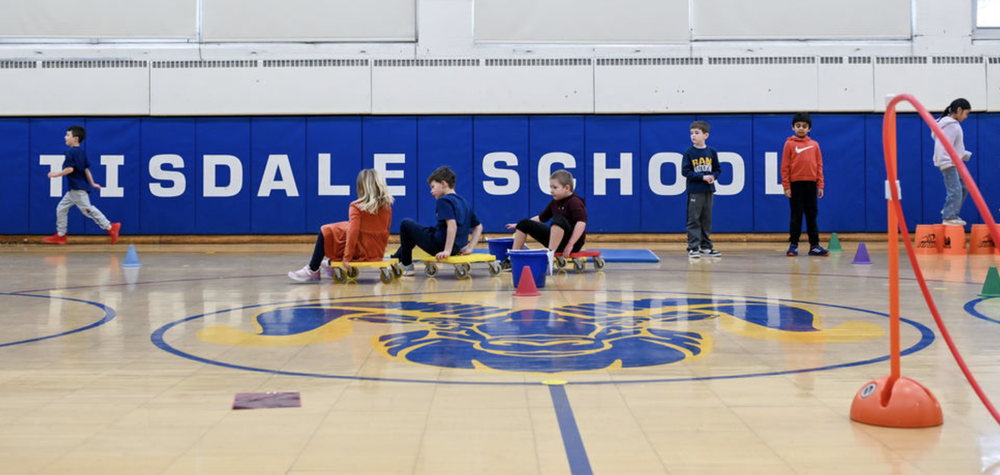
What's happening: The Tisdale Elementary gymnasium was recently reimagined as a biological highway to help students visualize the circulatory system. Physical Education classes integrated cardiovascular science with movement to teach students how the heart and lungs power the body.
How it works: The curriculum translated complex biological processes into age-appropriate physical challenges:
1st Grade: Students acted as "red blood cells," navigating the gym to simulate oxygen delivery to vital organs.
2nd & 3rd Grade: Lessons shifted toward biometrics, with students learning how to locate their pulse and measure heart rate fluctuations during exercise.
The Science: Students also explored the composition of blood, identifying the specific roles of plasma, platelets, and cells.
Why it matters: By blending Physical Education with science, the district is utilizing kinesthetic learning—a method where physical activity helps students retain complex concepts more effectively than traditional lectures alone.
The bottom line: The initiative aims to build a foundation for lifelong wellness. When students understand the "why" behind their heart rate, fitness becomes a science-backed habit rather than just a gym requirement.